
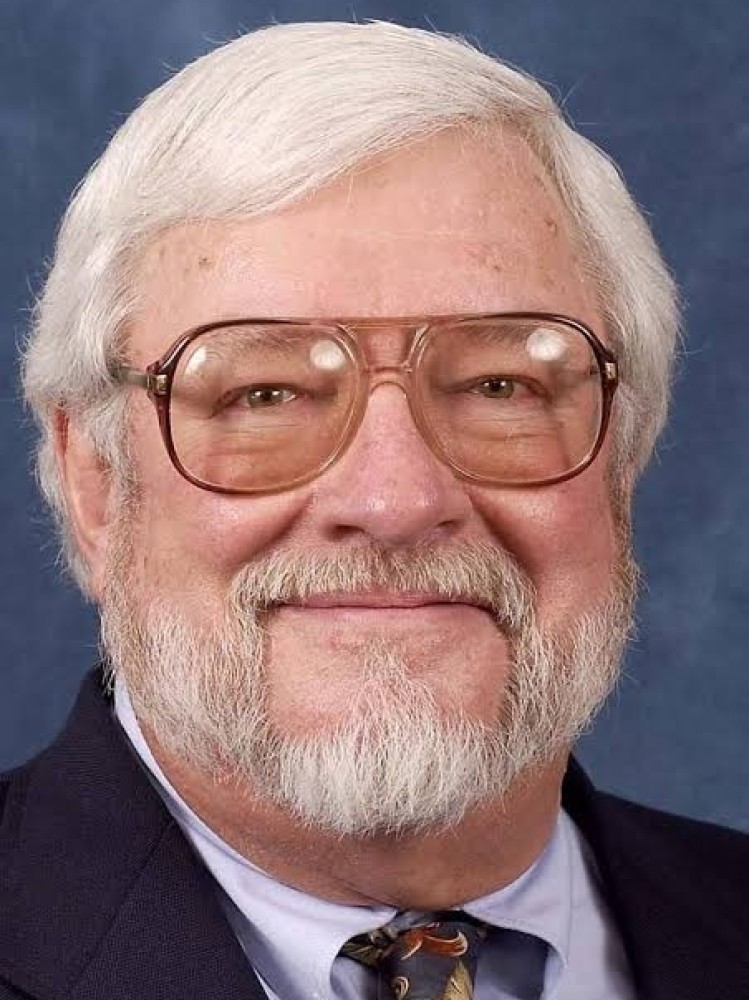
The EGOS community is deeply saddened by the passing of Professor Emeritus Karl E. Weick on May 21, 2026.
Karl Weick loved quotes. The best gift you could give him was to send him a line from a novel, a philosopher, or a poet and
use it as a platform for discussion. He would receive it with genuine delight, turn it over, and find in it something you
had not seen yourself. It was characteristic of the man: curious, generous, and driven by an insatiable appetite for learning.
He never took advantage of his standing in the field. He was not interested in gatekeeping or in affirming authority over
the community of ideas he had done so much to create. He listened, and he learned. Those of us fortunate enough to know him
will remember the warmth of those conversations, and the sense that, whatever you brought to Karl, he would find a way to
make it more interesting than you had thought it was.
Karl was the first scholar to develop a fully-fledged theory of organizing, which placed sensemaking at the forefront of management.
His concepts, among them enactment, loosely coupled systems, the collapse of meaning under crisis, improvisation and bricolage,
and resilience in the face of the unexpected, gave organization theory a new vocabulary and a new set of questions. What distinguished
Karl's work was not only its theoretical originality but its literary ambition. He theorized through disciplined imagination,
using well-chosen quotes as ways of seeing and as instruments of thought. His ideas travelled widely because they were open
ended – generative frameworks that invited interpretation and extension rather than straightforward replication. Scholars
across disciplines and traditions found in them something they could use, develop, and make their own.
The EGOS community has long been a natural home of Karl's ideas. Generations of European scholars built their research programs
by reading him, engaging with him on the page, and finding in his concepts the language they needed to describe what they
were seeing in organizations. Karl never sought to lead or shape the community that formed around his work. He watched it
grow with the same curiosity he brought to everything else. That community will carry his ideas forward. The concepts Karl
gave us are still generating questions, still opening new lines of inquiry, still finding new readers who will discover in
them something they had not seen before. Citations, he used to say, would take care of themselves. So, we trust, will his
legacy.
Gerardo Patriotta